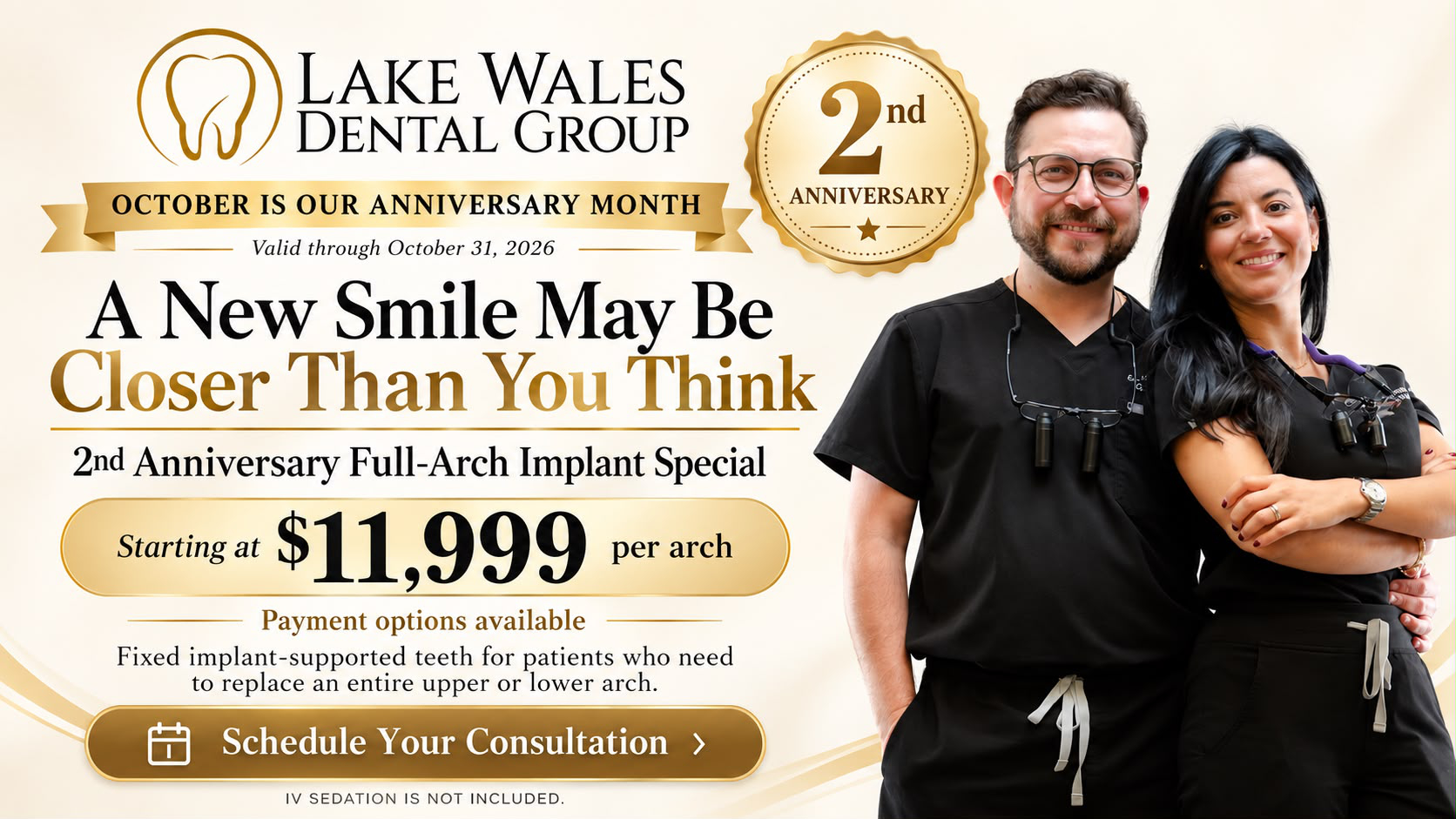

Tooth loss affects far more than appearance—it impacts confidence, nutrition, oral health, long-term well-being, and quality of life. Today, however, modern dentistry offers permanent and highly predictable options to restore missing teeth. Among all available solutions, dental implant treatments remain the gold standard, providing unmatched stability, strength, esthetics, and longevity.
This comprehensive guide is designed to help you understand everything about dental implants—from how they work to the different treatment options, costs, benefits, and what to expect during the process. Whether you are missing one tooth, several teeth, or an entire arch, this article will help you make an informed and confident decision about your smile.
What Are Dental Implant Treatments?
Dental implant treatments refer to a family of procedures that replace missing teeth using titanium implants surgically placed in the jawbone. These implants act as artificial roots, providing a stable foundation for crowns, bridges, or full-arch prostheses.
A complete dental implant restoration consists of:
- Implant — the titanium screw that integrates with bone
- Abutment — the connector between implant and crown
- Restoration — the crown, bridge, or full-arch teeth
Why Dental Implants Are Considered the Gold Standard
Unlike traditional bridges or dentures, dental implants:
- Preserve jawbone density
- Restore up to 90% of natural chewing force
- Look, feel, and function like real teeth
- Do not rely on adjacent teeth for support
- Can last decades with proper care
These advantages make implants the most durable and natural-looking tooth replacement option available today.
Types of Dental Implant Treatments
One of the strengths of implant dentistry is its versatility. There is no single “one-size-fits-all” treatment—instead, you and your dentist can choose from several implant-based solutions depending on your needs.
Below are the most common and effective implant treatment options:
1. Single Dental Implants
A single implant is ideal for patients missing one tooth due to decay, trauma, or congenital absence.
Benefits:
- Does not damage neighboring teeth
- Highly esthetic and natural-looking
- Long-term stability
It is the most conservative option because it replaces only what is missing—the individual tooth and root.
2. Implant-Supported Bridges
This option is excellent for patients missing two or more teeth in a row.
Instead of placing one implant per tooth, the dentist places two implants that support a multi-tooth bridge.
Advantages:
- More affordable than multiple single implants
- Very strong and stable
- Reduces pressure on remaining natural teeth
3. Full-Arch Dental Implants (TeethXpress, All-on-4, All-on-6)
Full-arch implant treatments are for patients missing most or all of their teeth.
These procedures involve placing All-onX (4–6 implants) in each arch to support a complete set of fixed teeth.
Key benefits:
- Same-day teeth are often possible
- No need for removable dentures
- Highly esthetic, secure, and functional
- Long-term bone stimulation
This category includes well-known systems such as:
- All-on-4®
- All-on-6
- TeethXpress®
- Other full-arch immediate-load systems
These treatments are life-changing and offer dramatic improvements in appearance, function, and self-confidence.
4. Implant-Supported Dentures
Unlike traditional dentures that rest on the gums, implant-supported dentures snap onto 2–4 implants.
They can be fixed or removable, depending on the design.
Why patients love them:
- Much more stable than conventional dentures
- Easier to speak and chew
- Reduce sore spots and irritation
- More affordable than full-arch fixed solutions
5. Mini Dental Implants
Mini implants are smaller in diameter and are often used when:
- The patient has limited bone
- Temporary stabilization is needed
- Budget is more limited
Although not as strong as standard implants, they can still offer relief for denture wearers seeking stability.
Who Is a Candidate for Dental Implant Treatments?
Most adults in good health are excellent candidates for dental implants. Because implants replace both the root and the crown, they can restore appearance, chewing ability, and long-term health better than any other treatment.
Ideal Candidates
- Missing one or more teeth
- Wearing loose or uncomfortable dentures
- Have good general health
- Have healthy gums
- Have adequate bone (or are able to undergo bone grafting)
Conditions Implants Can Solve
- Teeth lost due to decay
- Trauma or fractures
- Gum disease
- Congenital absence of teeth
- Failed bridges or root canals
Contraindications (in some cases)
- Uncontrolled diabetes
- Heavy smoking
- Active periodontal disease
- Severe systemic conditions affecting healing
Even patients with bone loss may qualify through advanced treatment planning, bone grafting, or full-arch systems designed to maximize available bone.
Benefits of Choosing Dental Implant Treatments
1. Superior Function and Strength
Implants restore up to 90% of natural chewing capacity, allowing patients to comfortably eat:
- Steak
- Raw vegetables
- Nuts
- Corn on the cob
Something impossible with traditional dentures.
2. Long-Lasting and Durable
Implants are designed to last 25+ years, often for life. They do not get cavities, and titanium is highly biocompatible.
3. Look and Feel Natural
Implant crowns are custom-designed to match:
- Color
- Shape
- Bite
- Proportions
The result: a seamless, realistic smile.
4. Prevent Bone Loss
When teeth are missing, the bone beneath them begins to shrink over time.
Implants stimulate the jawbone just like natural roots, preventing bone resorption and facial collapse.
5. Improve Overall Oral Health
Implants:
- Do not compromise adjacent teeth
- Do not require grinding down healthy enamel
- Help maintain the natural shape of the face
- Reduce stress on remaining teeth
How Dental Implant Treatments Work — Step by Step
Understanding the process helps reduce anxiety and prepare for a successful experience. Here is how a typical implant treatment unfolds:
1. Initial Consultation and Evaluation
The dentist performs:
- Oral exam
- Digital X-rays
- CBCT 3D scan
- Medical history review
This determines bone density, implant location, and overall feasibility.
2. Treatment Planning
Your dentist chooses the ideal implant treatment:
- Single implant
- Bridge
- Full-arch system
- Implant-supported denture
The plan is personalized to your anatomy, goals, and budget.
3. Implant Placement Surgery
Implants are placed under local anesthesia, with sedation available for added comfort.
The surgery is highly predictable and typically painless.
4. Healing and Osseointegration
Over the next 3–4 months, the titanium implant fuses with the jawbone.
During this time, the dentist may provide a temporary tooth to maintain esthetics.
5. Final Restoration
Once the implant is fully integrated, the final crown, bridge, or full-arch prosthesis is attached.
These teeth are designed for:
- Proper bite
- Comfort
- Esthetics
- Durability




How Much Do Dental Implant Treatments Cost?
Costs depend on several factors:
What Influences the Price?
- Number of implants
- Type of restoration (crown, bridge, full-arch)
- Materials used (zirconia, PMMA, ceramic)
- Need for bone grafting
- Complexity of surgery
Financing and Payment Options
Many practices offer:
- Monthly financing
- Third-party payment plans
- In-house installment options
Dental implants are an investment in long-term health and quality of life.
Dental Implants vs Other Tooth Replacement Options
1. Implants vs Bridges
Implants
- Do not affect adjacent teeth
- Last longer
- Prevent bone loss
- More stable
Bridges
- Require shaving healthy teeth
- Shorter lifespan
- Do not prevent bone resorption
2. Implants vs Dentures
Implants
- Fixed or snap-on
- Natural chewing force
- No slipping, clicking, or adhesives
Dentures
- Can move or fall out
- Reduce bite force
- Often uncomfortable
- Can accelerate bone loss
3. Standard Implants vs Mini Implants
Standard implants
- Stronger and more durable
- Suitable for most patients
Mini implants
- For narrow bone
- Less durable
- Often used for denture stabilization
Common Questions About Dental Implant Treatments
Are dental implants painful?
Most patients report minimal discomfort thanks to local anesthesia and sedation options.
How long do implants last?
With proper care, implants can last decades—often for life.
Can older adults get dental implants?
Yes. Age is not a barrier. Many implant patients are 60–80+ years old.
Can smokers get implants?
Smoking affects healing, but many smokers still qualify with proper care and guidance.
How long does the entire treatment take?
From consultation to final restoration, the average treatment lasts 3–6 months.
Are same-day implants possible?
Yes—immediate-load systems like TeethXpress or All-on-4 can provide same-day teeth in qualified cases.
Why Choose a Professional Team for Your Dental Implant Treatments?
Choosing the right dental practice is crucial for successful implant outcomes.
A high-quality clinic offers:
Advanced Technology
- CBCT 3D imaging
- Digital implant planning
- Guided surgery
Experienced Implant Dentists
Extensive training and experience ensure safety and predictable results.
Personalized Care
Every mouth, bone structure, and smile goal is unique.
Comfort Options
Sedation dentistry helps anxious patients feel relaxed.
Long-Term Maintenance
Implants require proper monitoring and follow-up care.
Schedule Your Consultation for Dental Implant Treatments
If you’re ready to restore your smile, regain confidence, and enjoy permanent tooth replacement, dental implant treatments are one of the best investments you can make in your health and quality of life. And at Lake Wales Dental Group, our caring and experienced team is ready to guide you every step of the way.
Schedule your consultation today and discover which implant treatment is right for you.